Book & craftsmen network

Eight materials.
Eight masters.

A premium interior fit-out is not a furniture plan. It is a precise interplay of materials — and of the people who truly master them. We visited eight of them, portrayed them, and made a book about it.

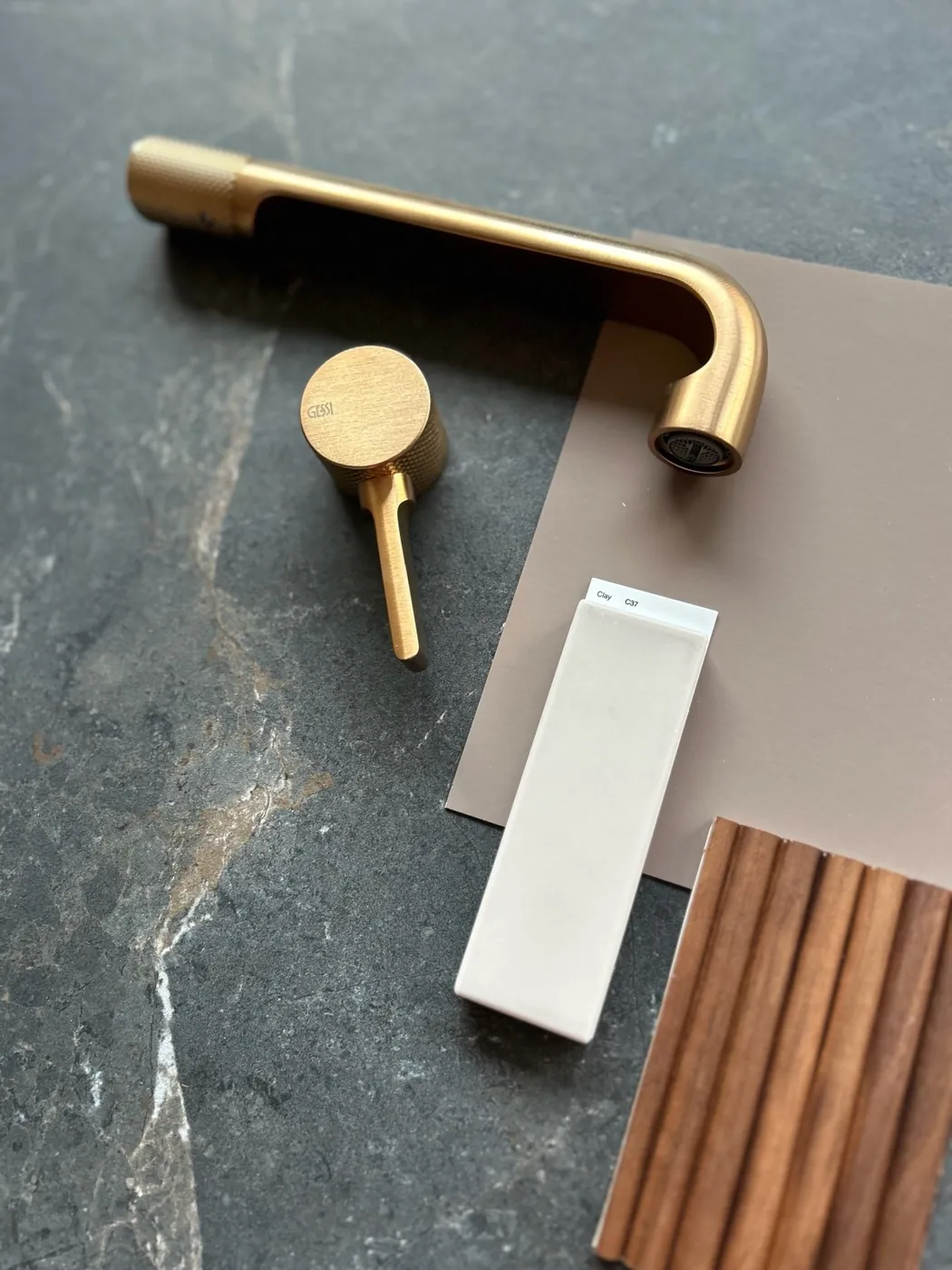
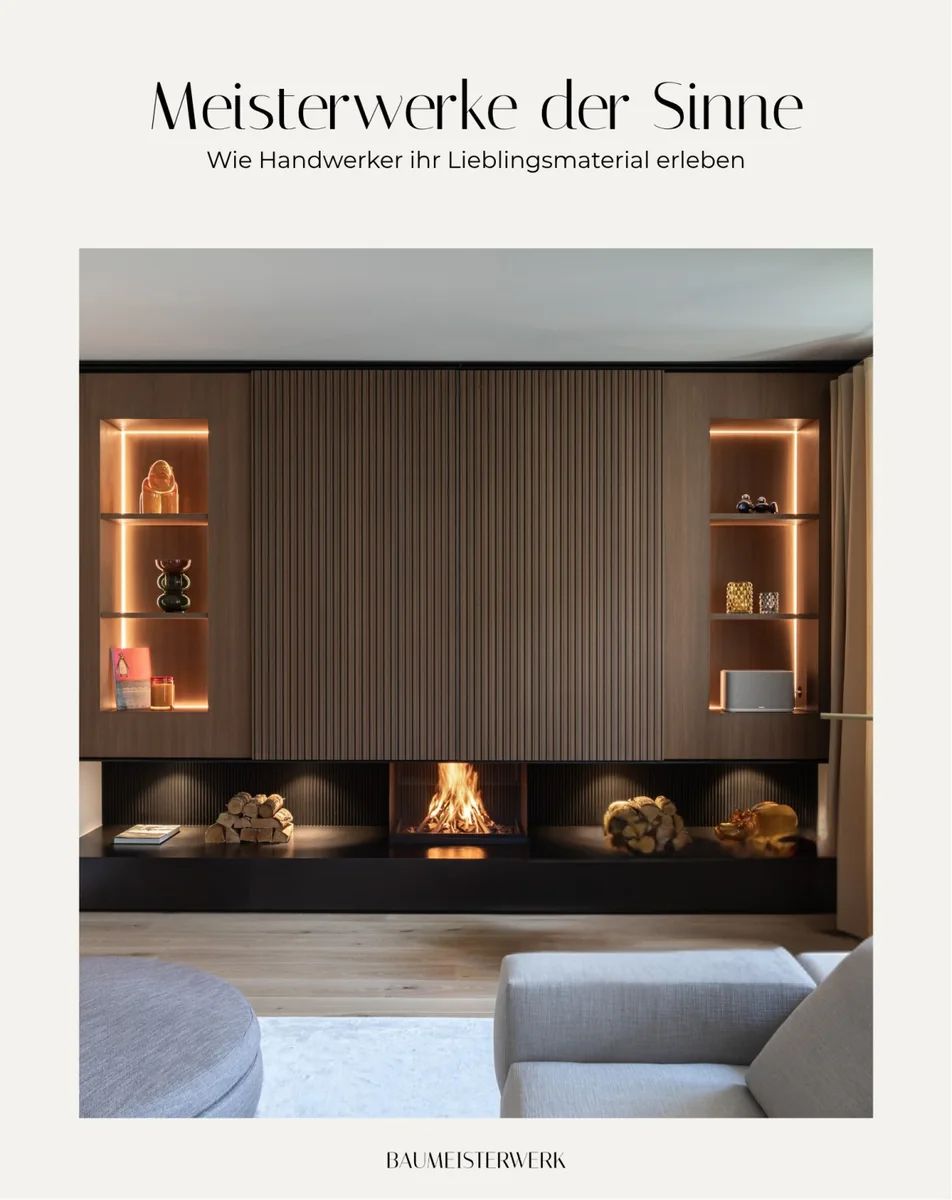
Wood slat wall with dark marble shelf
The idea

Why eight — and why these.

In premium interior fit-out, "rooms" don't act on us — materials do. Pair a great stone with a poor floor and the whole room is poor. Place an excellent piece of furniture against a cheap wall finish and the furniture turns cheap. The quality of an interior comes from the precise selection, treatment, and combination of a few — but deeply mastered — materials.

We chose eight. Four are material in the classical sense: Stone, Metal, Oak, and Gold. Four are element or atmosphere — they only fully come alive in a precisely planned interior: Light, Water, Fire, and Fabric. For each domain, we portrayed one master whose work we know, have tested, and stand by.

The eight materials

Each with its own voice.

Material i. — Stone

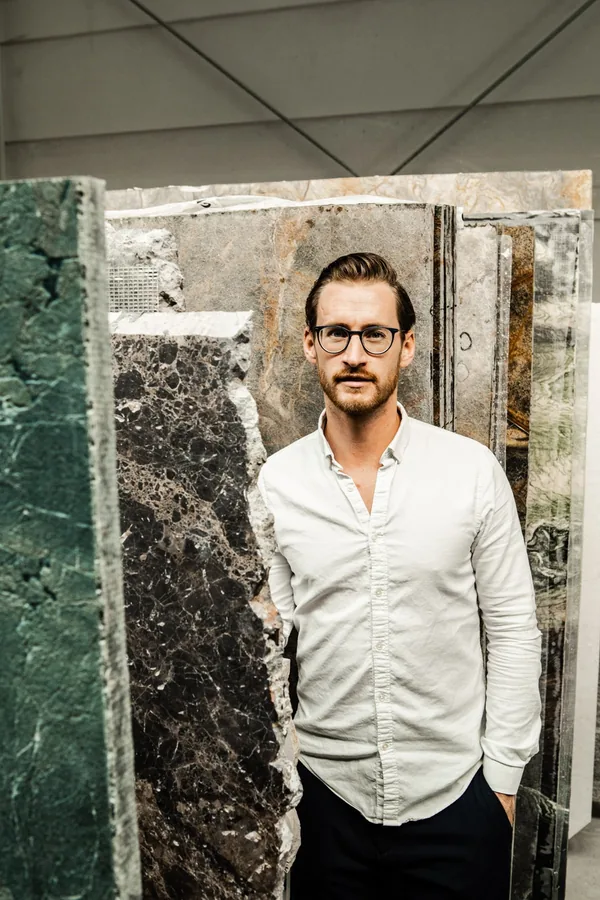
Maxi Steininger · Steininger Steinmetz, Munich.

"Natural stone is a painting by nature. Natural stone in three words: elegant, soft, harmonious." — Maxi Steininger

Stonemason, stone sculptor, trained natural-stone mechanic. Steininger Steinmetz has existed in Munich for 103 years — Maxi Steininger now runs it in the fourth generation. The bulk of the work is in private high-end interiors. "I have, basically since the day I was born, always been at the company."

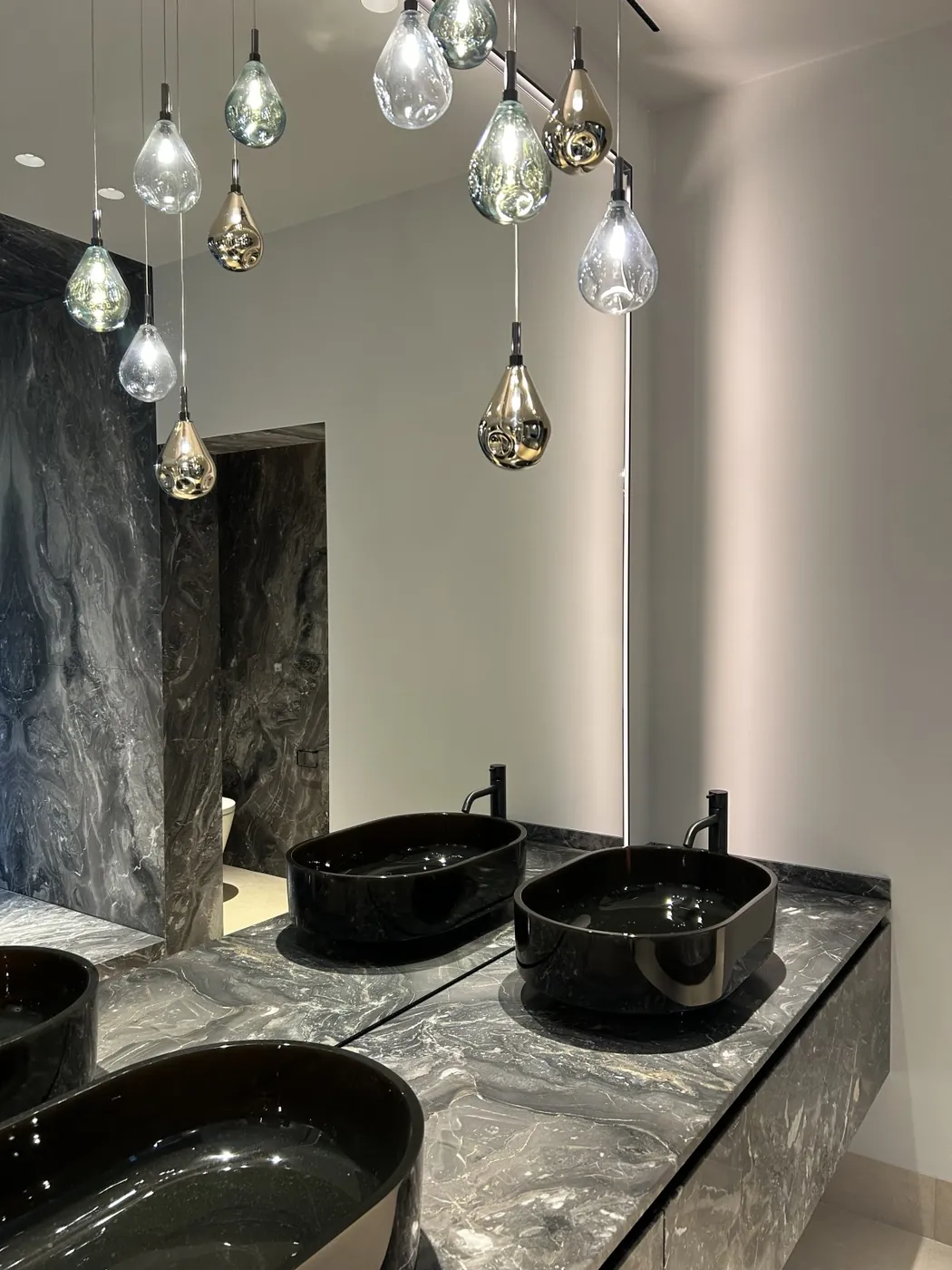
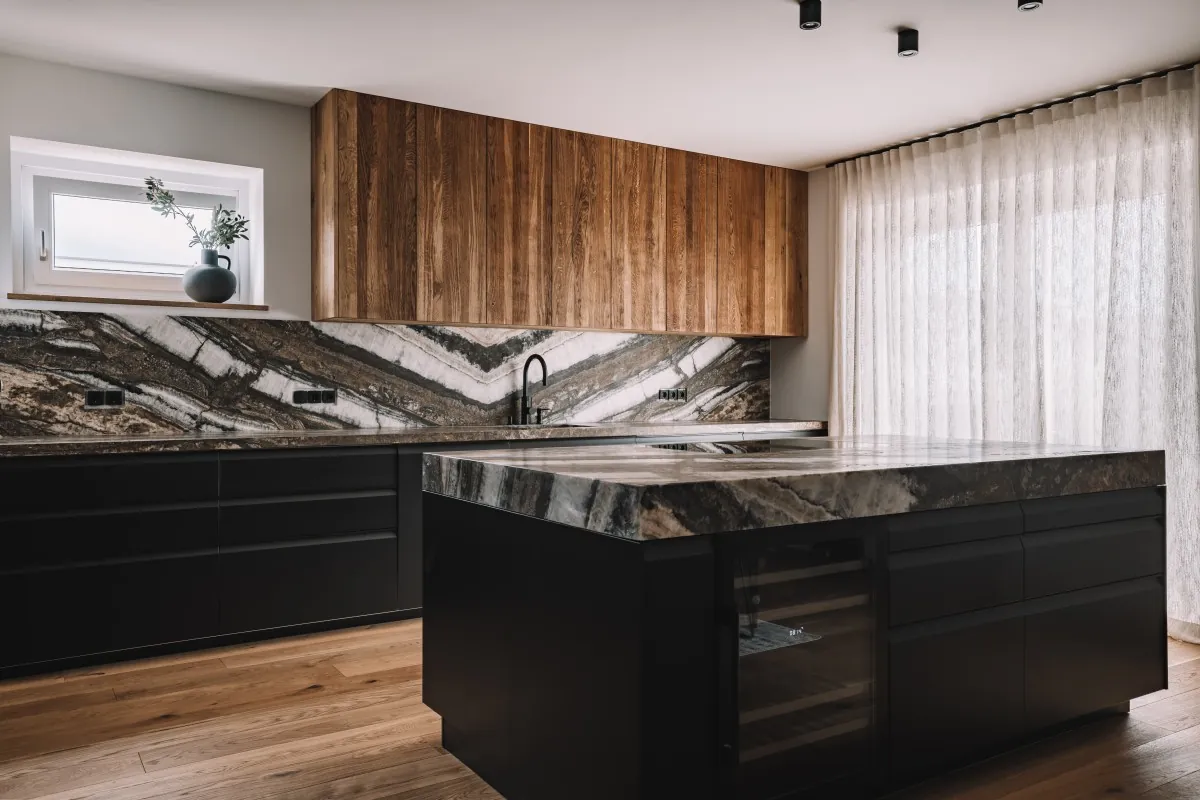
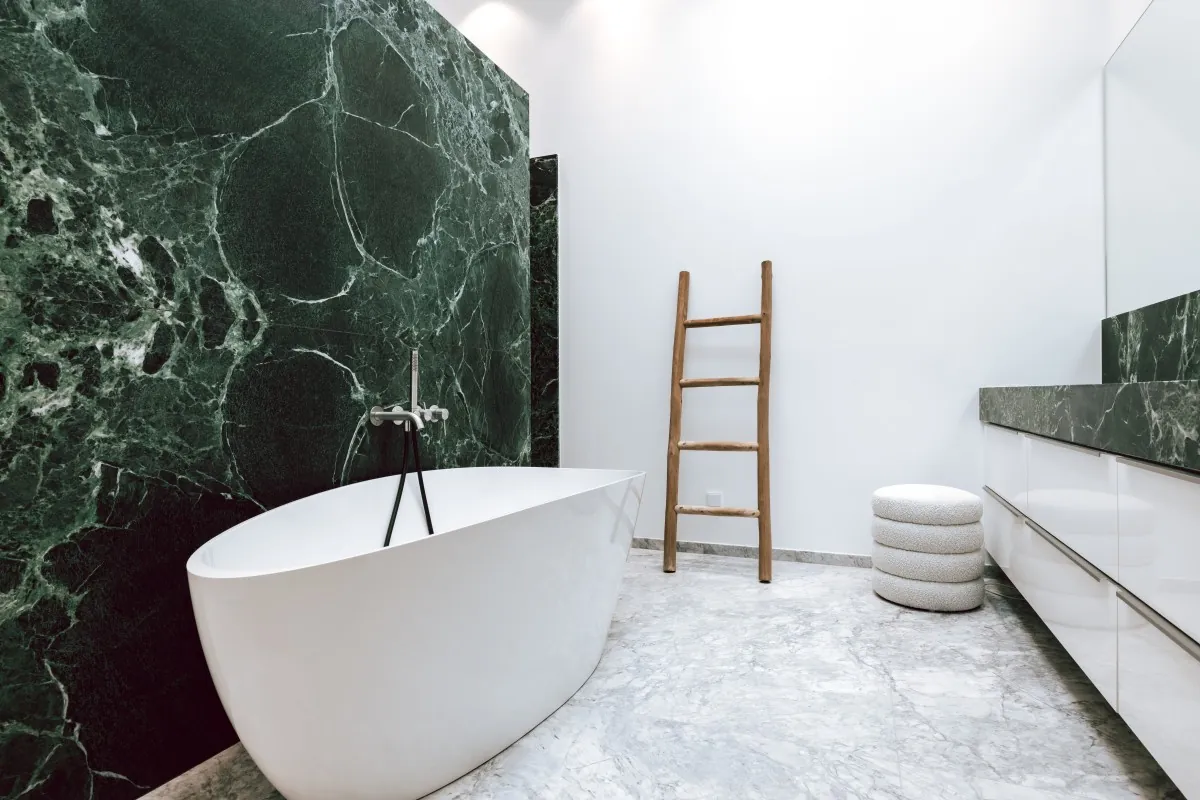
Natural stone is geology made visible. Pressure, heat, sedimentation, shift — its mineralogy defines its appearance. Some stones are almost homogeneous: calm, monochrome, almost reticent in their presence. Others are dramatic, layered, alive in expression. Of roughly 5,000 known natural stones worldwide, the range is enormous: from beige marbles and travertine with fine layering, to deep-green quartzite and blue-shimmering granites from South America whose colour was born from tectonic pressure.

What we see is never just stone — it is stone in light. Polished surfaces reflect, intensify colour and contrast. Honed or brushed surfaces scatter light more softly: calmer, matter, often warmer. Natural stone is never a static image. It is a painting that changes with the daylight. And every piece is unique — not reproducible, not exactly repeatable.
Material ii. — Metal

Thomas Räpke · Metalware GmbH, Munich.

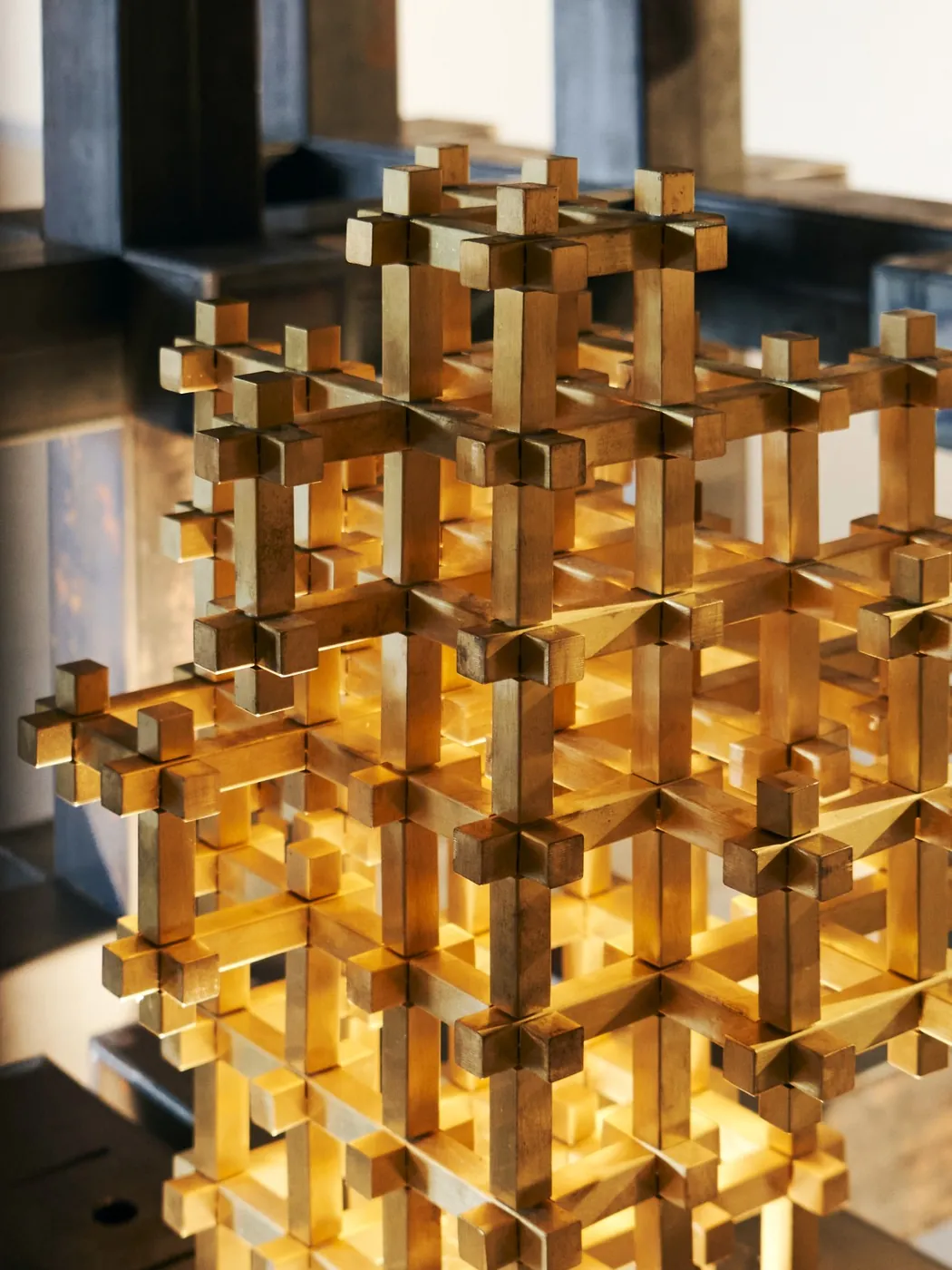
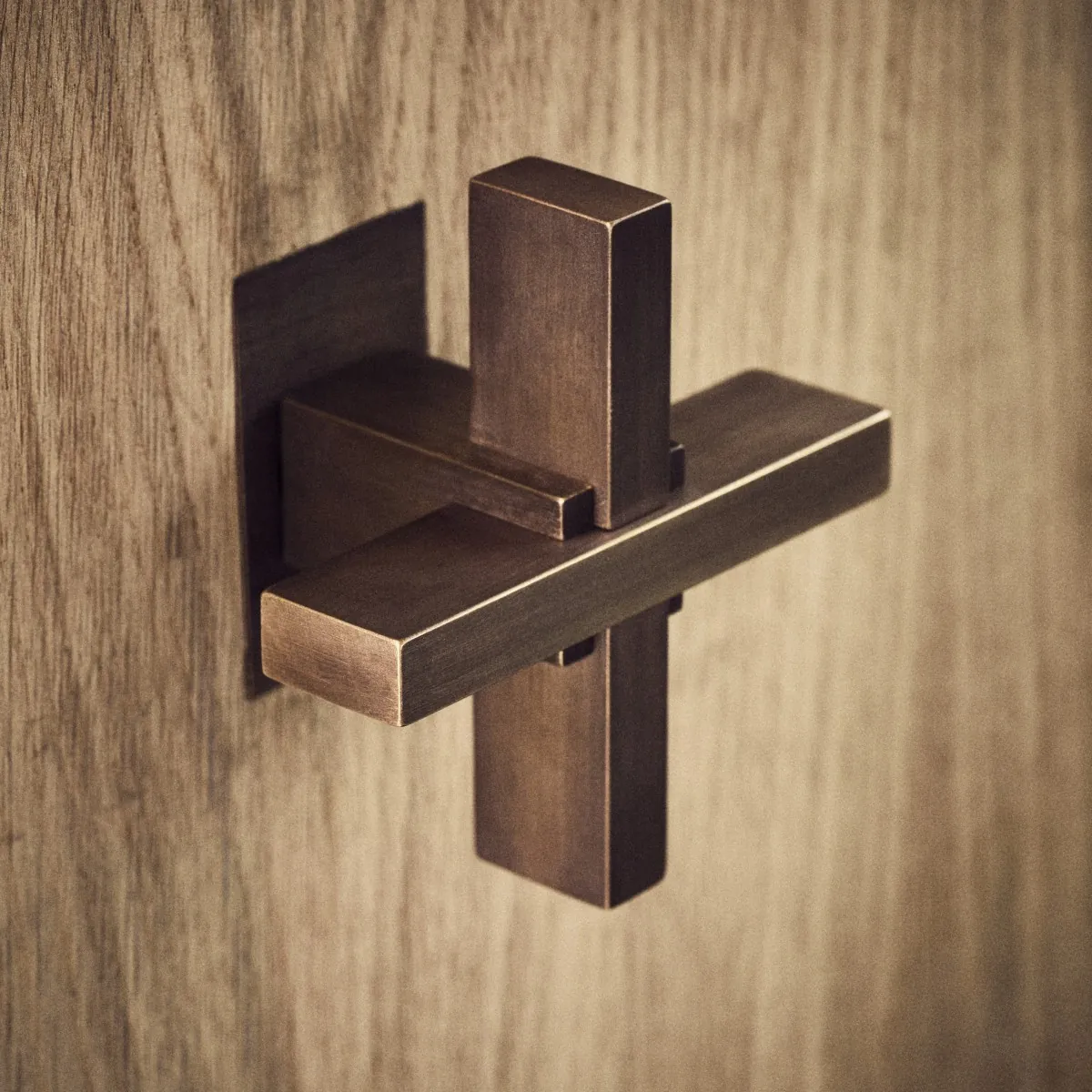
High-end metalworking in Munich — from planning consultancy to professional execution in his own workshop. Five domains that come together in a premium interior fit-out: bespoke interior elements, small-series and prototype manufacturing, art-in-architecture, light objects, and art objects. Bronze, brass, steel, in concert with glass, wood, stone, and lighting design.

What sets the workshop apart is its cross-disciplinary competence. Few bespoke commissions in high-quality fit-out stand on their own; most demand the cooperation of multiple disciplines — a bronze door handle that has to align with the glass refiner, a light object coordinated with the joinery. That interface work is Räpke's strength. A long-tenured team, passion for the work, an appetite for new challenges — three lines from his own website that come alive on every workshop visit.

Material iii. — Oak

Bastian Daxenberger · Schreinerei Daxenberger, Lake Chiemsee.

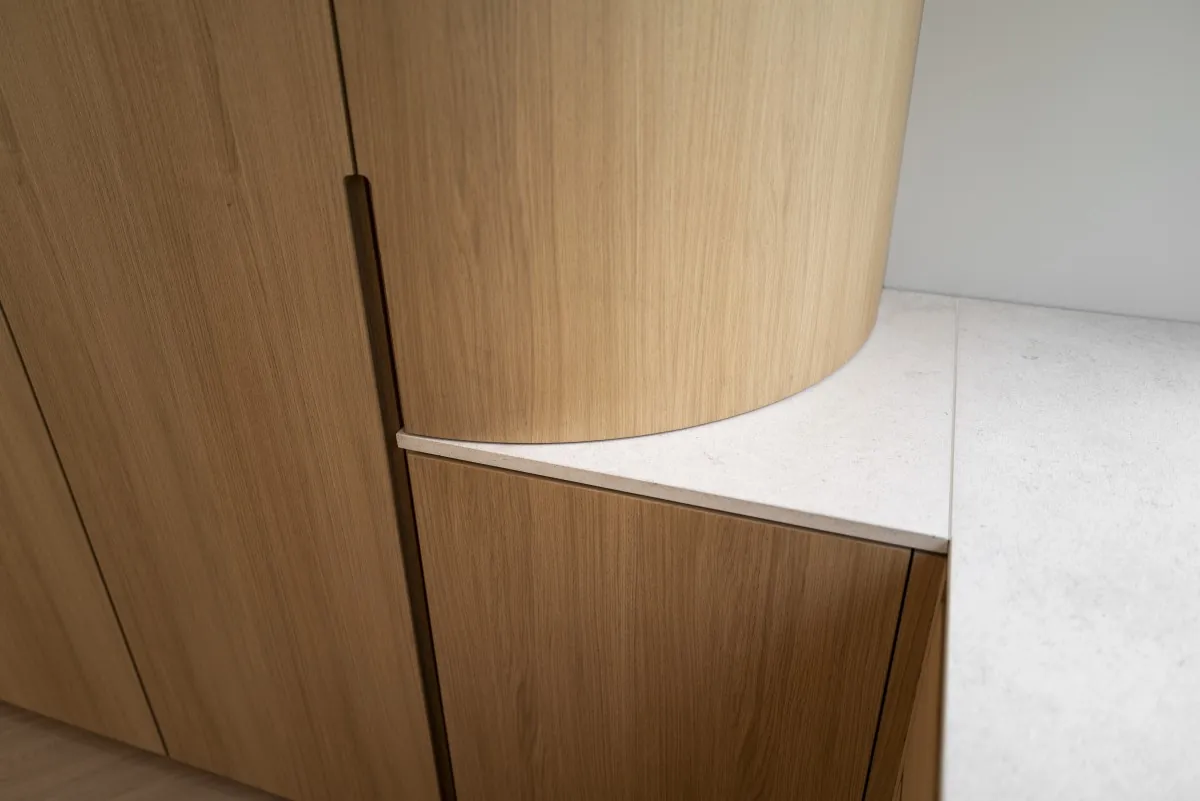
"Oak is honest. Oak is calm. It does not impose itself. Oak does not work when you are in a hurry. Oak is timeless, lasting, warm." — Bastian Daxenberger

Master joiner and co-owner of Schreinerei Daxenberger in Seeon at Lake Chiemsee. With 90 employees, the workshop delivers high-end interior fit-out — from bespoke single pieces to complete installations. Stylistically open by intention, defined by craft precision and a deep understanding of material. "We don't have a fixed style. With us it ranges from modern to classical," says Daxenberger. What matters is the quality of execution — and the material itself.

Oak can be calm, almost austere — straight-grown, finely cut, with a grain that recedes and lets the room breathe. Oak can also be wild: knots, cracks, stress lines in the wood, stories that won't smooth out. From the warm, almost golden natural tone, through brushed and limed surfaces, to the deep-smoked nearly-black smoked oak. And then bog oak — wood that has lain in moor for millennia and developed an almost black, secretive colour. Visible time.

Material iv. — Gold

Christoph Bauer · Painter & restorer.

Fine-art painting and restoration at the highest level. Christoph Bauer's repertoire reaches well beyond gold leaf — mural painting, sky painting, stucco restoration, wabi-sabi surfaces, clay and lime plasters, colour design. But in the book we portray him for his gilding, because that is where his craft converges into a single gesture.

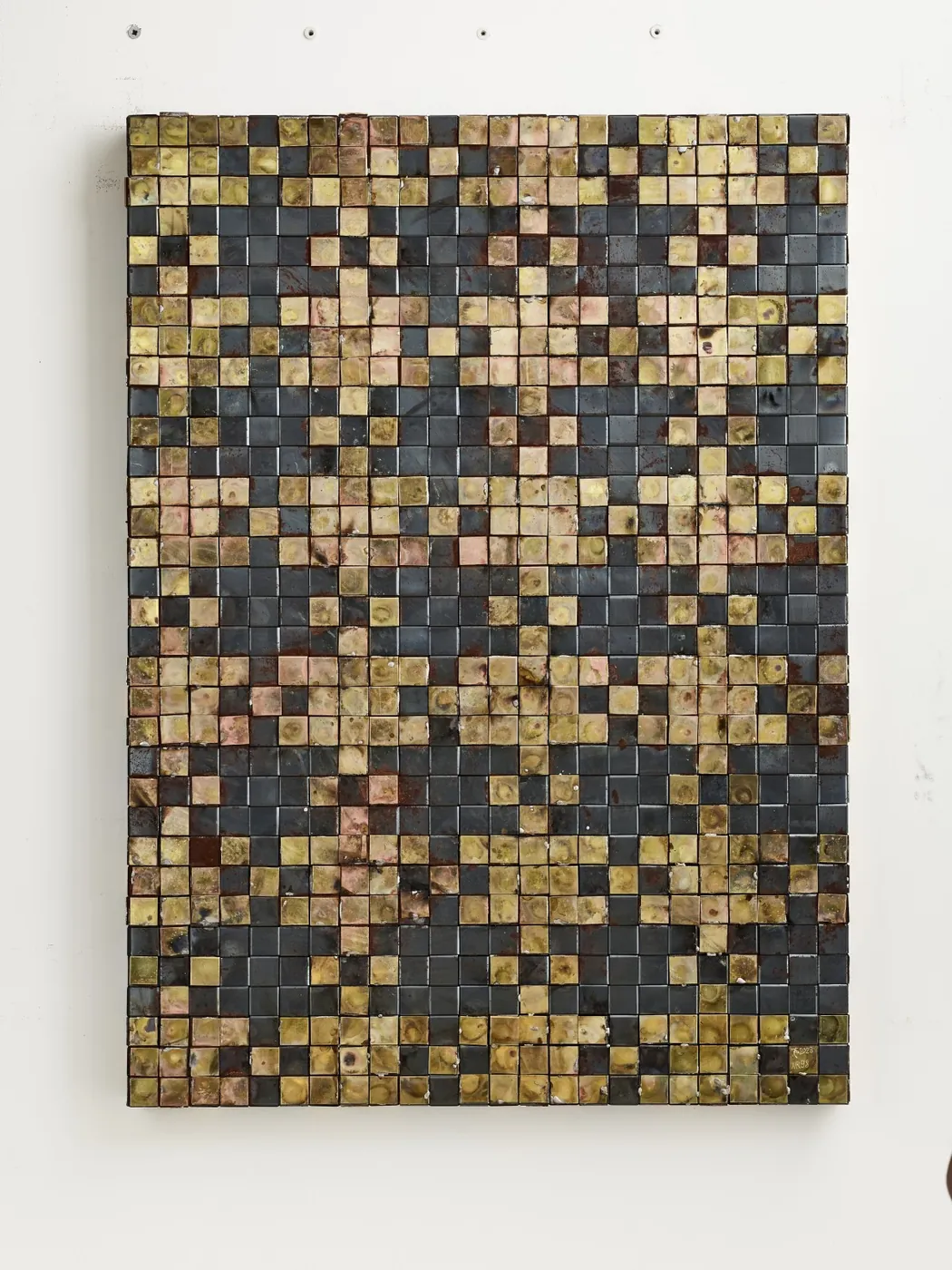
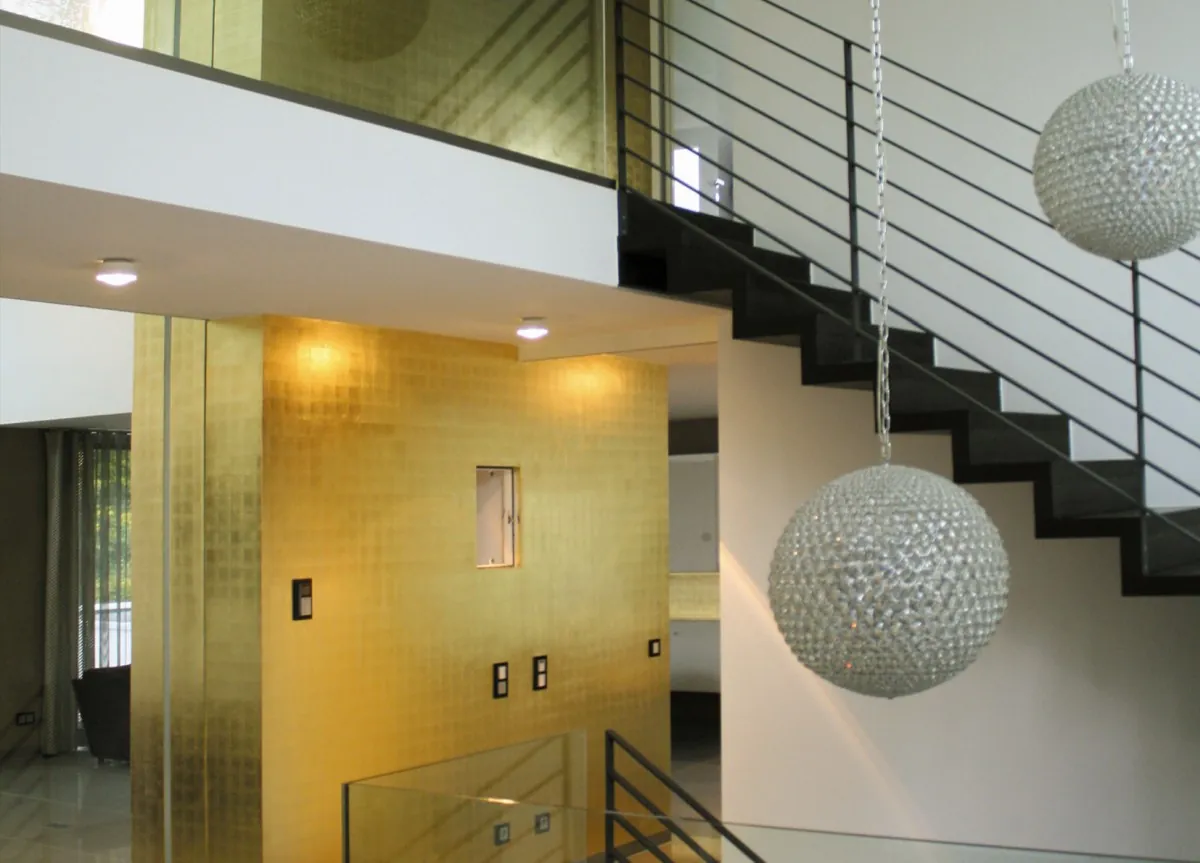
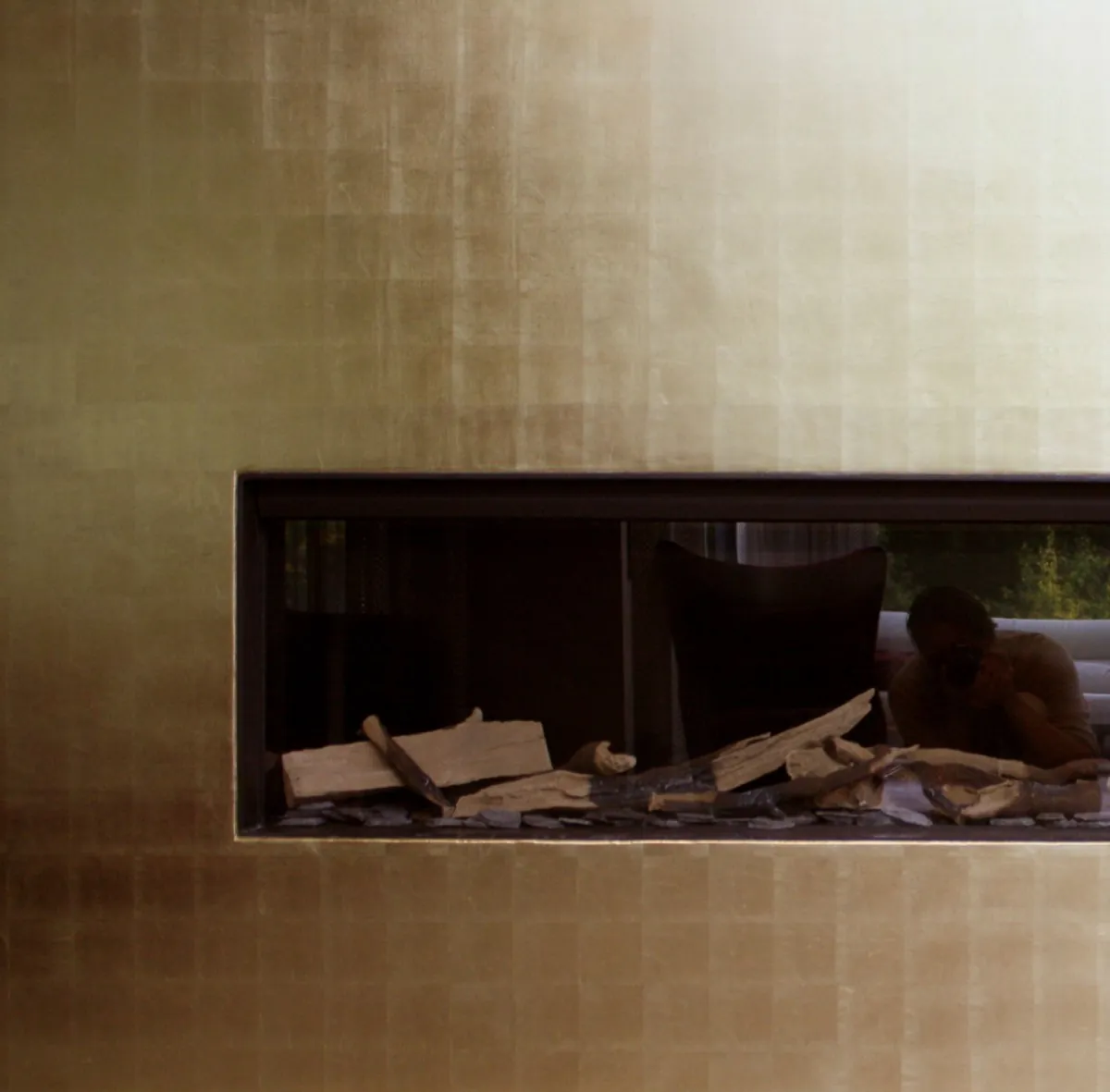
Real gold leaf, hand-burnished, applied to stucco ceilings in Lehel apartments, to bronze details in penthouses, to wall surfaces in town villas. Never bronze paint imitating gold. Bauer's gilding is the opposite of bling: quietly placed accents that lift a room without burdening it. A single gold-leaf line on a mahogany door, a gilded stucco moulding in a salon — precise enough to register, restrained enough never to shout.

Material v. — Light

Gerlinde Kusstatscher · Lighting design, Munich.

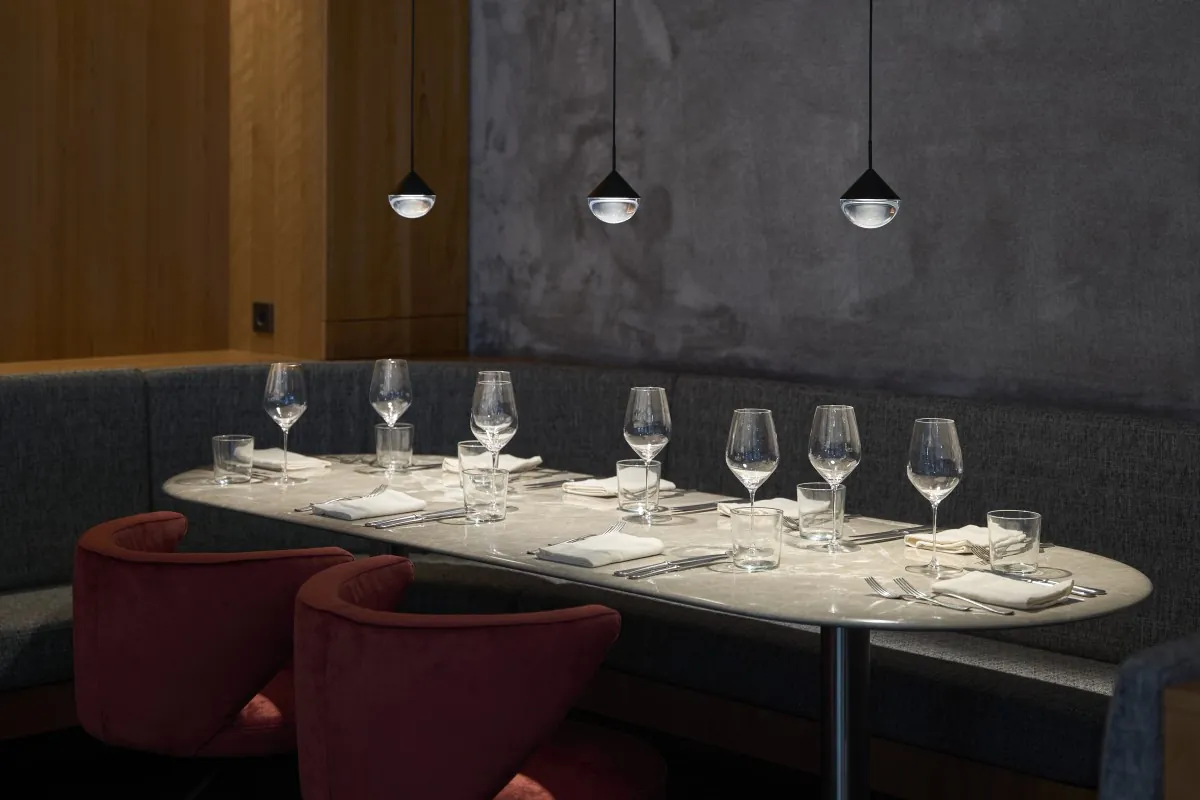
"The painter works with paint, the joiner works with wood, and I work with light. Light is my color." — Gerlinde Kusstatscher

She grew up in a small village called Bogenfeld on a shaded forest hillside. There was a stretch of winter when the sun stood so low behind the trees that no direct sunlight fell on the house. When the first rays reached the entrance hall again in early January, it felt, in her words, "like a resurrection." "Here it all began, with that light, which was vast, and which moved me deeply."

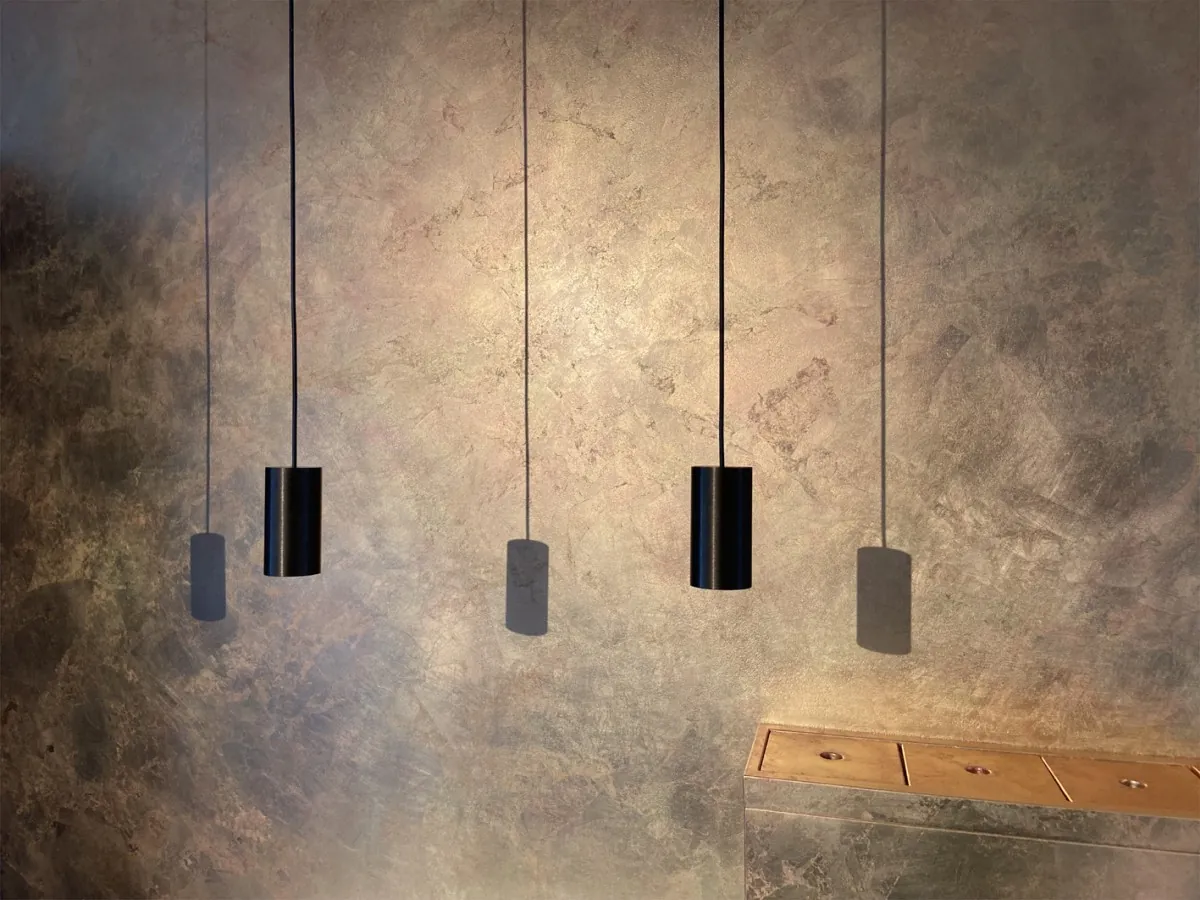
Today she is among the formative lighting designers in the German-speaking world. Projects with Landau + Kindelbacher (Penthouse F19, Munich), Holzrausch (Villa G18, Nymphenburg), Stephanie Thatenhorst Interior, Yasemin Loher Interior. For her, lighting design is "a question of culture" — an intellectual engagement with the place and the design idea intended for it. "Without light, nothing exists. Light makes things visible." Not from the lamp to the appearance, but the other way round: from appearance through visual perception toward the lighting concept. "It is the reading of places and the writing with light."

Material vi. — Water

Stephan Metz · Stephan Metz Gruppe, Munich.

"Water is life. Water is the highest good we have." — Stephan Metz

CEO of Stephan Metz Gruppe — and therefore the man for everything that makes a building come alive: water, heat, air. From private bathrooms to indoor swimming pools, from full renovations to new builds, his company manages projects in the high-end segment in Munich and beyond. His focus is plumbing and heating — where technology meets daily life and function turns into quality of living. The standard: precision, reliability, a presence that matches the level of the projects.

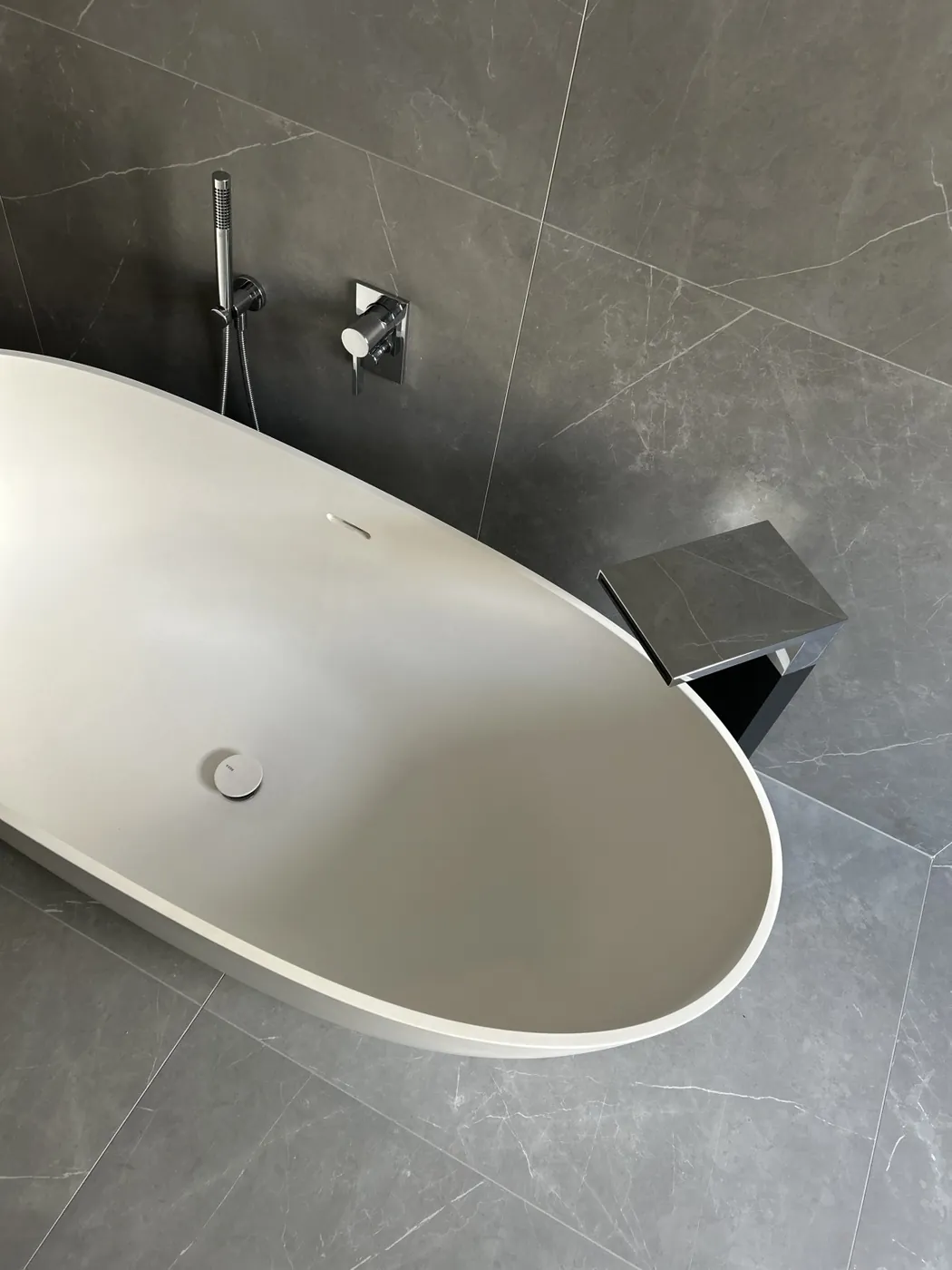
Munich water is high in lime — something often perceived as a nuisance in everyday life. But that natural component is precisely what makes it valuable. Metz puts it plainly: water has its highest quality in its original state. The challenge is to preserve that character while meeting every comfort expectation of a premium bathroom. A tension he has commanded for years.

Material vii. — Fire

Stefan Schinharl · Schinharl Ofen- und Kaminhaus.

"Comfort, warmth, happiness. A fire by the hearth is, to me, deceleration. I live for my fireplace." — Stefan Schinharl

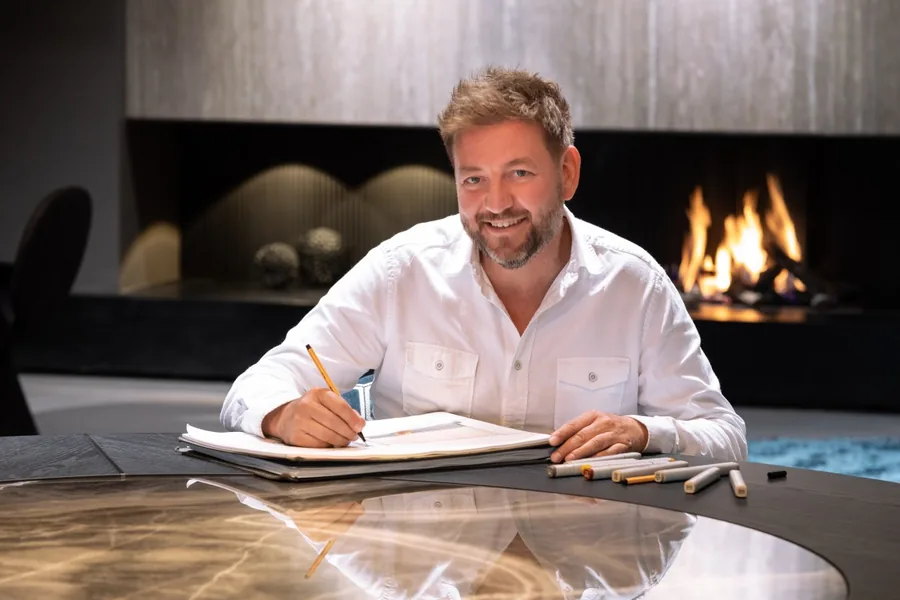
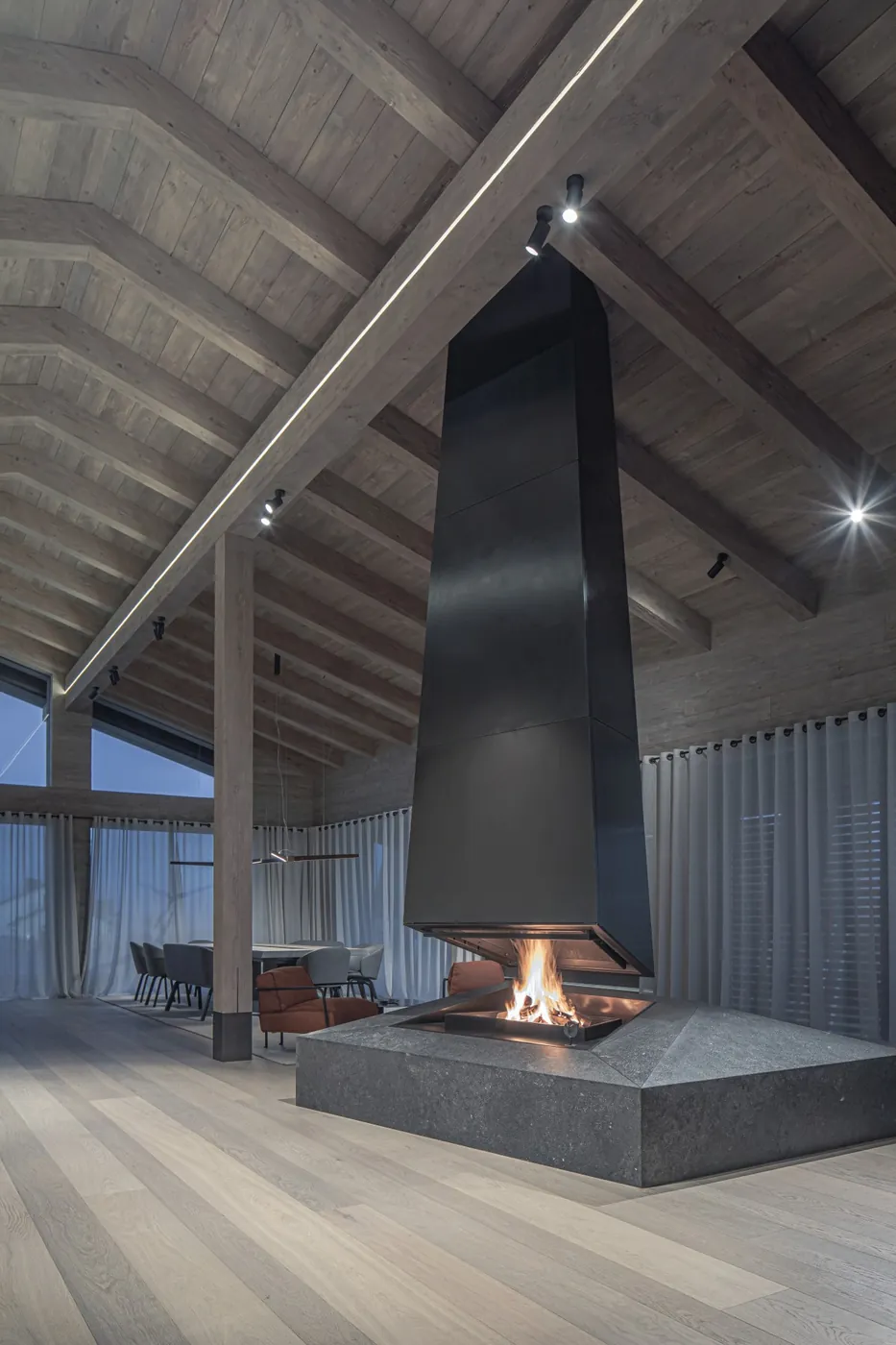
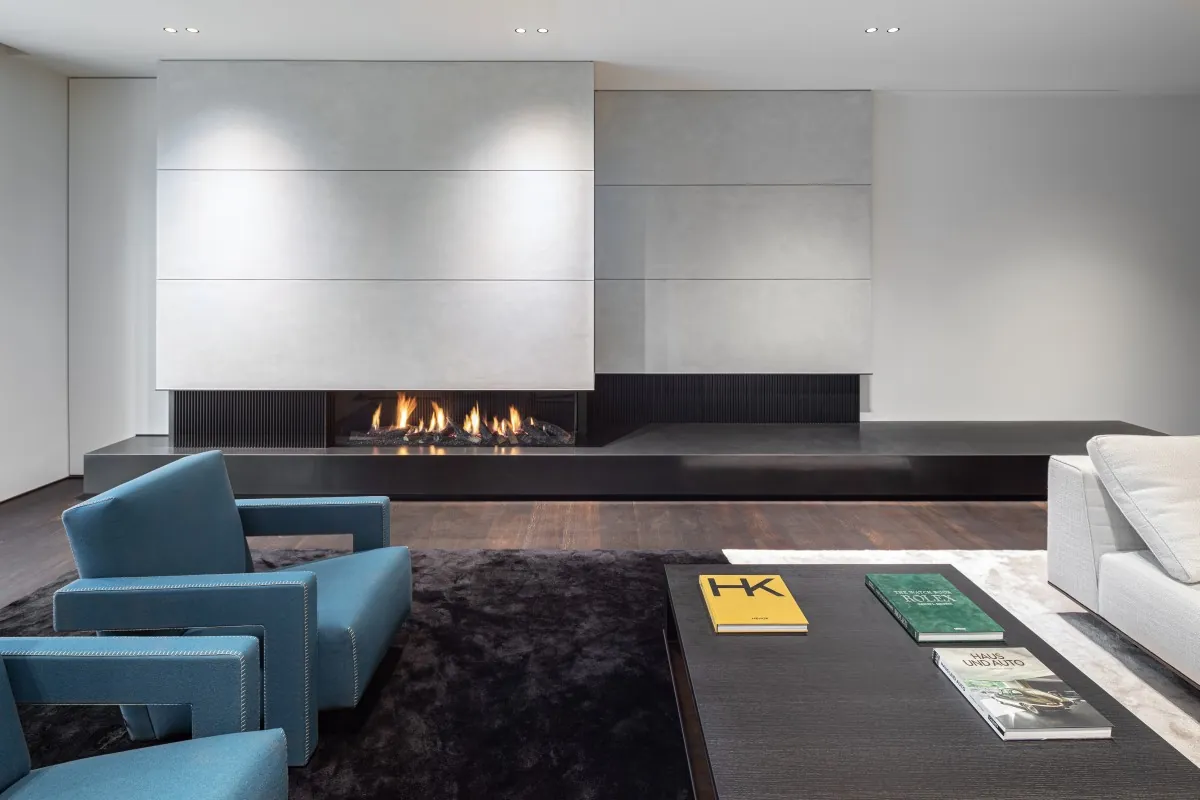
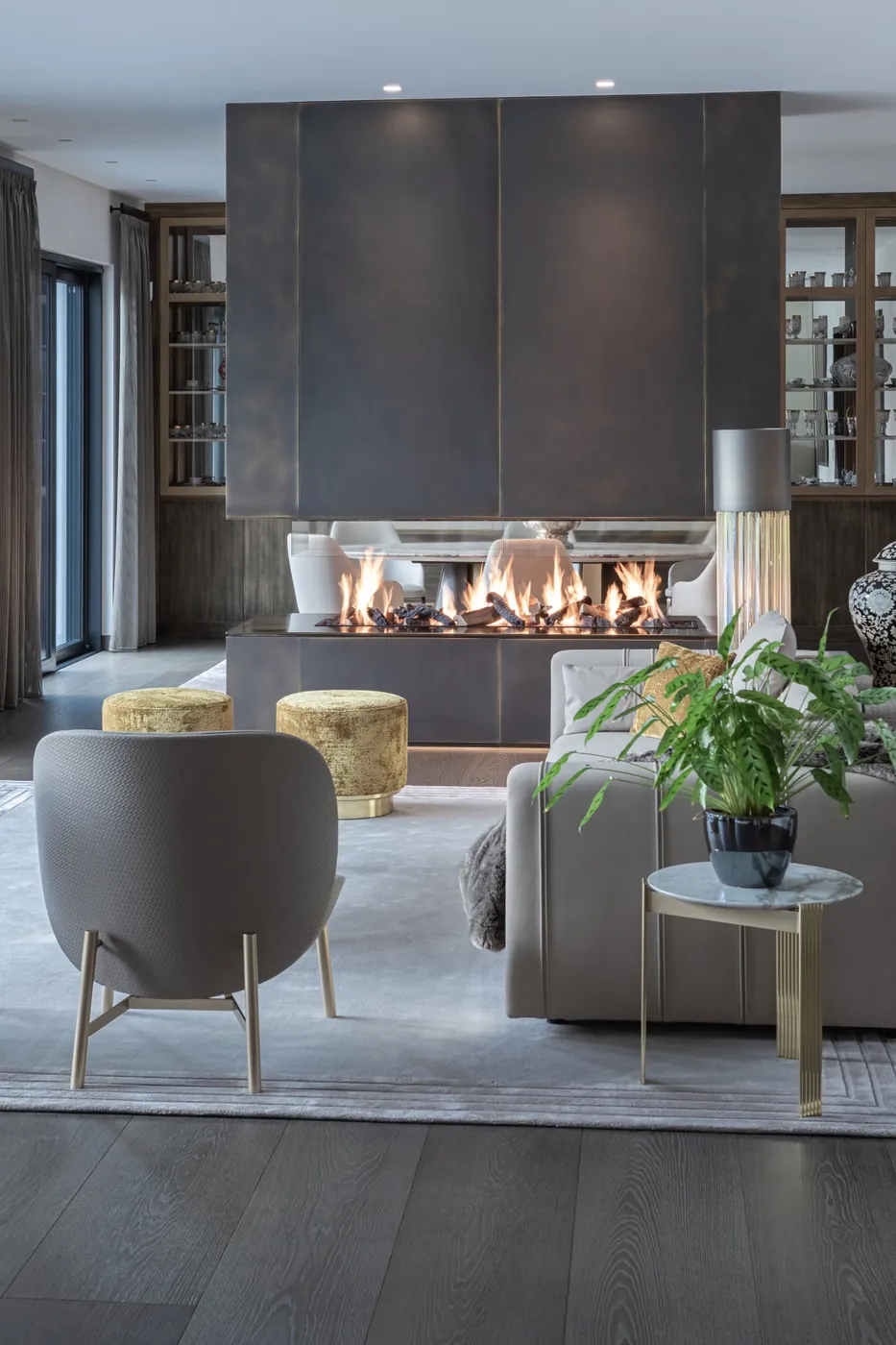
More than 20 years of stove- and fireplace-making, paired with refined interior design. His fireplaces are mostly built into private villas, exclusive penthouses, and increasingly into the high-end hotel segment. At the heart of his work is the human effect: a fire creates moments of stillness, brings people together, allows the everyday to recede. Fire, for Schinharl, means deceleration — a deliberate counter-image to a fast, digital world. "We hold a fire christening with every new fireplace. The clients always have a smile on their faces."

A good fire begins with the picture — yellow-red, threaded with fine blue notes, accompanied by sparks. Never static. When the fireplace is lit, the rest of the lighting recedes: lamps are dimmed, direct sources reduced. The fire takes the lead in the room. A single floor lamp may support reading — but the mood comes from the fire. A particular kind of stillness emerges: fewer stimuli, more focus on what matters.

Material viii. — Fabric

Michael Westermeier · Raumtec Westermeier, Munich.

"The better blinds." — Raumtec Westermeier

Trade specialist and confectioner for interior shading in the high-end segment. Wooden blinds, natural-fibre hangings, shutters, drapery, Roman blinds, pleats, smart-home integration for control. An in-house collection of hand-forged iron rods made by regional smiths — Balthazar, Rufus, Samsa. Bespoke production, with much of the range "Made in Germany". The Sternwerk showroom in Munich lets clients experience motorised drapes, blinds, and shades early in the planning phase.

Fabric in high-quality fit-out is more than curtains. A precisely tensioned wall textile changes the acoustics of a bedroom; a heavy-falling drape turns a window into a stage; a hung natural fibre quiets an entire wall. Westermeier thinks from function — sun protection, acoustics, privacy, smart-home integration — and arrives from there at design. The "off-the-shelf" range, he writes himself, is "perhaps just our standard hardware sets". Everything else is bespoke.

We don't have a fixed style. With us it ranges from modern to classical.

Bastian Daxenberger, Schreinerei Daxenberger — from Masterworks of the Senses, Oak chapter
Frequently asked

What you should know about the book and the network.

What is "Masterworks of the Senses"?

"Masterworks of the Senses" is both a book and the core of our craftsmen and consultant network. We visited eight workshops and specialists in the German-speaking world, documented their work, and photographed their pieces. The result is a book — and a network we draw on for every client project.

Which eight materials and people are featured?

Stone (Maxi Steininger, Steininger Steinmetz, Munich), Metal (Thomas Räpke, Metalware GmbH, Munich), Oak (Bastian Daxenberger, Schreinerei Daxenberger, Lake Chiemsee), Gold (Christoph Bauer, painter and restorer), Light (Gerlinde Kusstatscher, lighting design, Munich), Water (Stephan Metz, Stephan Metz Gruppe, Munich), Fire (Stefan Schinharl, Schinharl Ofen- und Kaminhaus), Fabric (Michael Westermeier, Raumtec Westermeier, Munich).

Can the book be purchased?

The book is primarily a gift to our clients and partners — not commercially available. On special request, we are happy to provide a copy. Mention it in the first call.

Do you work exclusively with the craftsmen featured?

No. The eight portraits are the core of our network, but we work with additional specialised craftsmen depending on the project — for special commissions, regional ties, or unusual material requests. We pick the best solution per project.

What makes a premium craftsman different from a regular one?

Premium craftsmen typically work in the third or fourth generation, produce largely in their own workshop, master classical techniques alongside modern ones, and are willing to spend disproportionate time on a single detail. They run on referrals — and that is precisely why an established network matters.

Why these eight materials specifically?

Four are classical materials — Stone, Metal, Oak, Gold — the structural and accent components of any premium interior. Four are element or atmosphere — Light, Water, Fire, Fabric — they are not "materials" in the strict sense, but they carry a room more than any wall colour or piece of furniture. Together, these eight make a room complete.